

Alcohol consumption can lead to dehydration due to its diuretic effect, causing excessive urination and fluid loss. This diuresis, or increased urination, occurs because alcohol interferes with the body’s mechanism for regulating water levels. Specifically, alcohol disrupts the function of the hormone vasopressin or anti-diuretic hormone (ADH), which normally signals the kidneys to reabsorb water. As a result, the kidneys release more water, leading to dehydration. Alcohol is a diuretic, meaning it increases urine production and leads to fluid loss.
Does the time of day that you drink alcohol affect hydration levels?
If you’ve ever experienced dehydration before, then you know the signs to look out for. Alcohol-induced dehydration doesn’t have different signs than normal dehydration. These signs include headaches, Twelve-step program dark urine, dizziness, and a strong thirst. Long-term dehydration can harm your kidneys, affect your skin, and lead to an imbalance of important minerals in your body. Eating food can slow down how quickly alcohol is absorbed, which may help reduce the effects of dehydration. Alcohol is a diuretic, which means it causes you to urinate more.
How Long Does Alcohol Stay in Your System?
When booze is involved, they work overtime to process the excess fluids from ethanol. The more you drink, the more substantial burden you place on your kidneys. Overwhelmed by the excessive amount of alcohol, your kidneys become less efficient at reabsorbing water—hence a more significant loss of fluids through urination. Even moderate alcohol consumption can lead to dehydration, but the risk increases significantly with higher amounts or binge drinking. Tracking your alcohol intake can help you become more aware of your drinking patterns and their effects on your hydration and overall health.
- So, how do you know if you’re getting dehydrated before it’s too late?
- So the less alcohol that’s in your system, the easier it is to stay hydrated.
- The effects of alcohol on judgment and coordination are complex and vary among individuals.
After beer enters your body, it can travel throughout the body and can actually affect any number of organs. If you think that beer only enters your stomach, you are mistaken. It can affect your brain, cloud your judgment, and even enter your lungs and be released every time you breathe. Learn more about how dehydration with beer works and how you can take care of your body to lessen the effects. Putting the science aside, the bottom line is that alcohol makes you pee more, causing you to lose more water.
How Alcohol Disrupts Electrolyte Balance
“If you are looking to find a drink that is less dehydrating, try choosing ones that you would enjoy over a longer period of time,” Richardson says. Sipping on one whisky all evening will likely mean you ingest less alcohol overall than three or four standard glasses of wine. Diluting a vodka with soda will also mean it’s more hydrating overall, though it’ll still have diuretic effects. Having a few drinks can be fun, but feeling dehydrated or hungover is not.

ELI5 How come alcohol dehydrates you even if you drink lots of water as well?
And while the greasy diner food might sound amazing, try to eat something light and easy on your stomach. Don’t forget to drink water by having a glass of water after each beverage you consume! It helps keep your body hydrated and regulates the pace at which you’re drinking. By sticking to these tips, you can ensure your body stays hydrated when dealing with the dehydrating impacts of drinking alcohol. Dehydration from alcohol can make you thirsty, tired, dizzy, or lightheaded.
It essentially gags ADH, preventing it from delivering its crucial message to the kidneys. To understand how this disruption happens, let’s compare the body’s normal hydration process with what happens when alcohol enters the picture. Following these tips will help you stay optimally hydrated if consuming multiple whiskey drinks.
Depending on the level of fluid loss, it may take up to 24 hours or longer for the body to restore normal hydration levels, even with steady water and electrolyte intake. The urine sodium and potassium concentration were significantly different between AW and NAW, and between S and W. Urine osmolality is considered the most sensitive measure of urine indices of hydration status 26,27.
- Alcohol impacts our cognition, mood, balance (ever had a few too many and seen the world spinning?), speech and many other aspects of our physiology.
- The process is a swift, three-step hormonal disruption that quickly leads to fluid loss.
- Above that, if you drink in hot weather conditions, your body is naturally dehydrated.
If you’ve ever had to nurse a hangover, nausea and vomiting are commonly part and parcel of the ordeal. While throwing up can make you feel miserable, it is one of your body’s self-defense mechanisms to remove excess toxins from the alcohol consumed. Drinking too much alcohol may lead to a tingling sensation or numbness in your legs, feet, or hands, known as alcoholic neuropathy.
How to prevent alcohol dehydration:
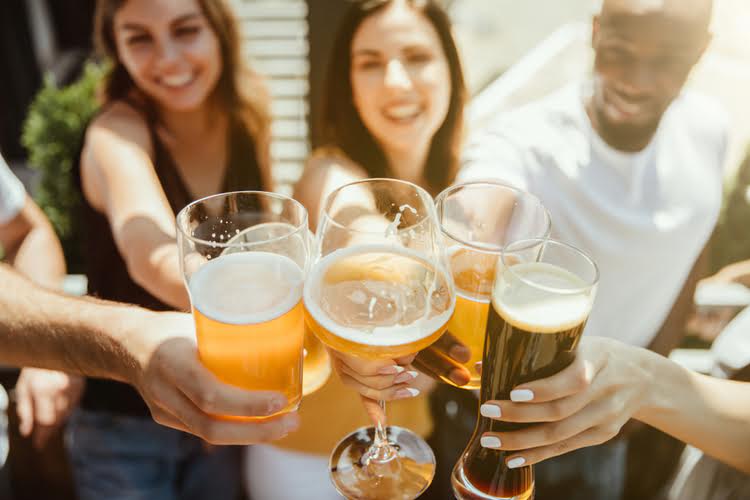
Essentially, expelling much-needed fluids that your body wouldn’t normally waste. Your starting hydration level is just as important as what you’re drinking. Having a few drinks on a hot day or right after a sweaty workout is a recipe for trouble because you’re already in a state of “fluid debt.” For every does alcohol make you dehydrated 200 ml of beer you drink (about two-thirds of a can), your body might get rid of as much as 320 ml of water.
Above that, if you drink in hot weather conditions, your body is naturally dehydrated. That is the primary reason why breath analyzers are used as a medium to detect drunken driving cases. This helps determine blood alcohol concentration (BAC) and detects how drunk a person is on a standard scale.
Does Alcohol Cause Dehydration?
Drinking beer can dehydrate you a little less than drinking other alcohol. This is because the lesser alcohol beer has, the lesser the chances of dehydration, as lesser alcohol means lesser diuretic effects. Drinking on an empty stomach, alcohol building up in your body, and alcohol acting https://ecosoberhouse.com/ as a diuretic are just some of the most common reasons behind beer dehydration. Make sure you eat a full meal before drinking and consume a lot of water with your alcohol.